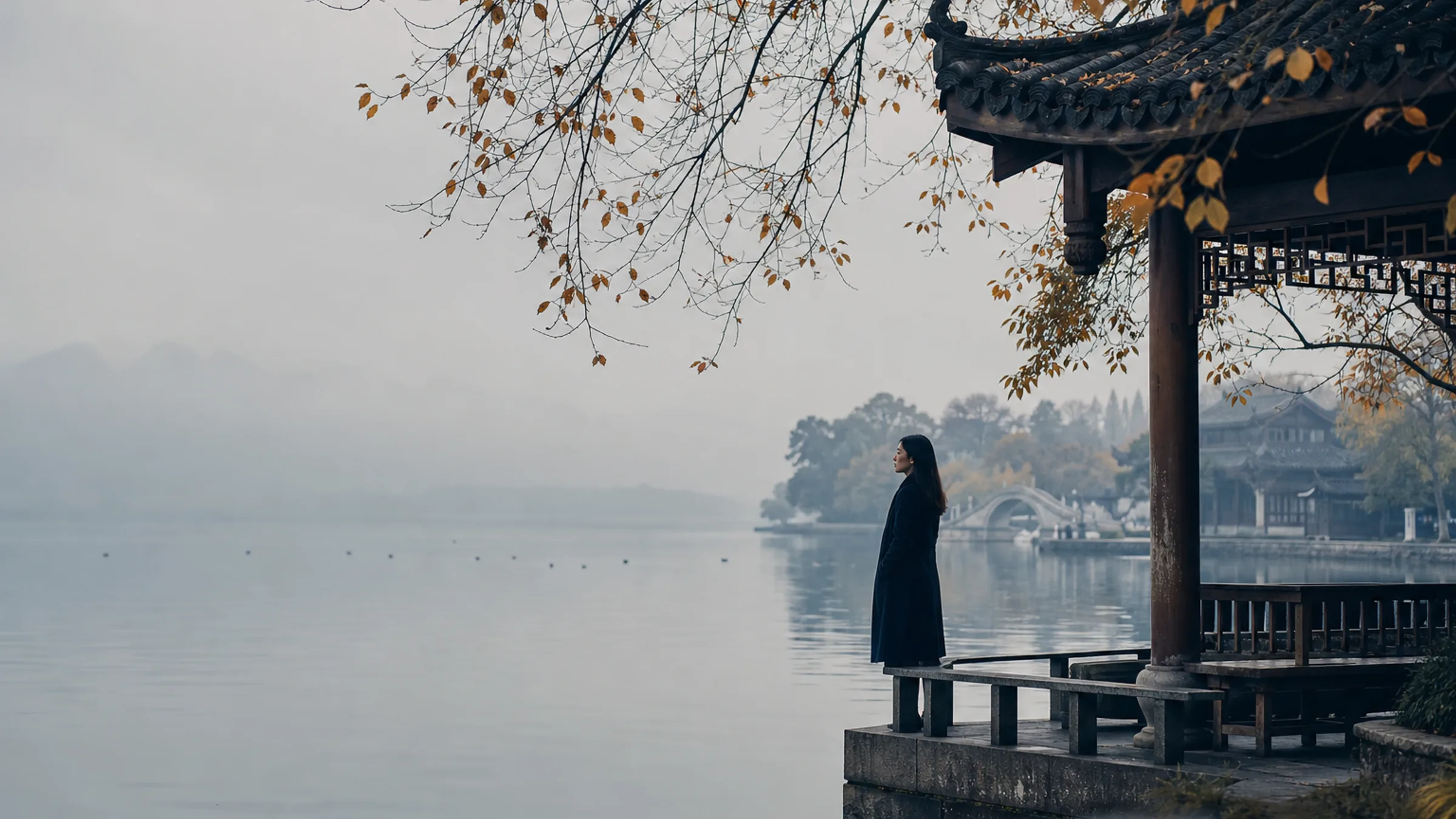

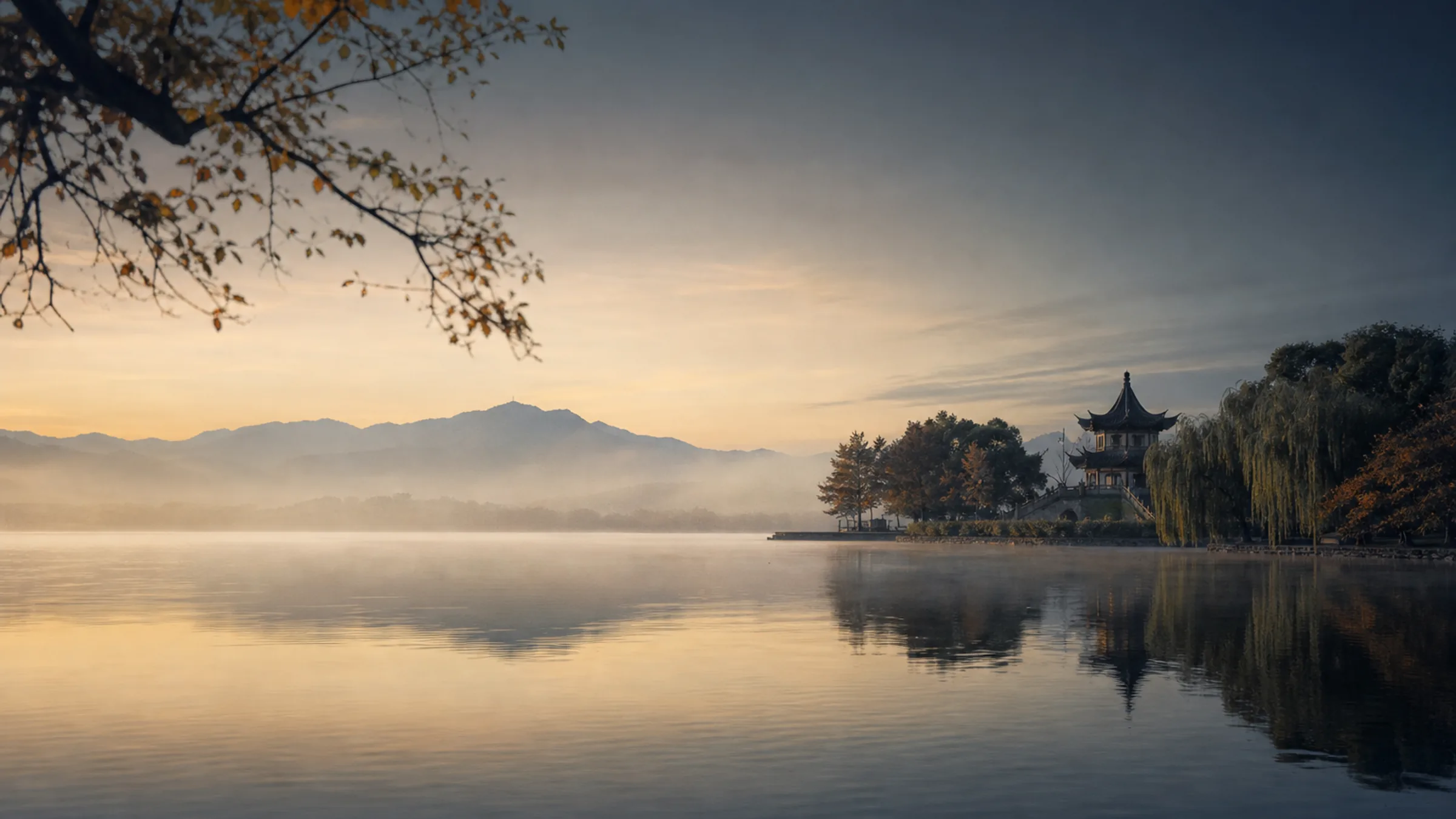
Autumn can give Hangzhou a gentle rhythm for an executive retreat, but weather, demand, and visibility are not guaranteed. The programme should work because of a clear working goal — not because of a perfect West Lake view.
Start with the session outcome
Define decisions, owners, and the format of the final document before choosing the hotel. Add cultural blocks as a change of thinking mode — not as a competing daytime programme.
Retreat success is measured in closed decisions, not in activity count. If the outcome is vague, even a beautiful lakeside walk becomes expensive sightseeing.
信Silence helps strategy only when logistics is not asking for attention.
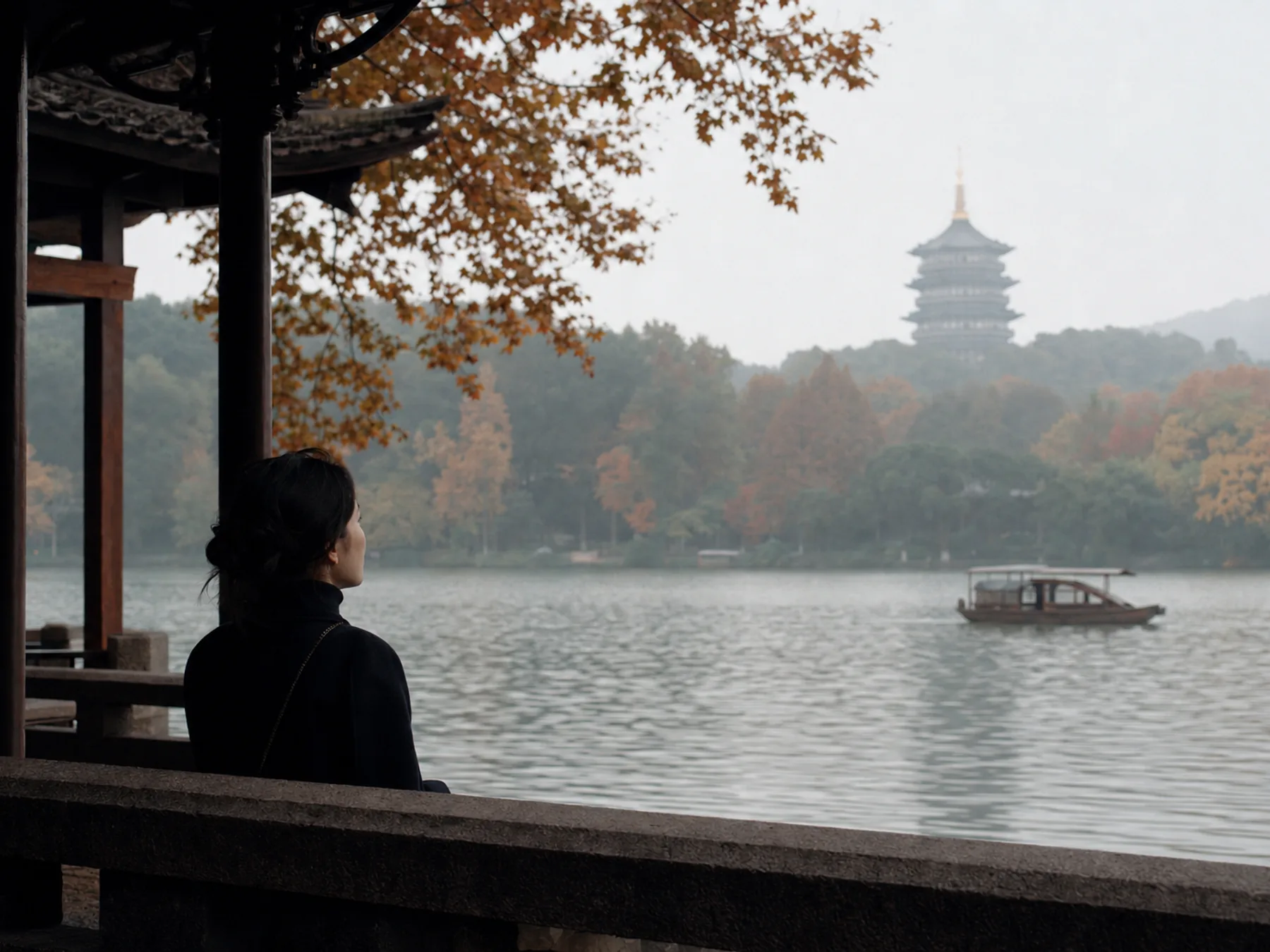
Compress geography
Meeting room, accommodation, private dining, and a walk should connect by a short route. If the car is needed several times a day, the team loses transition time between discussion and reflection.
Choose a base where evening conversations can continue without a new transfer. Executive retreats need continuity of thought more than a map of scenic checkpoints.
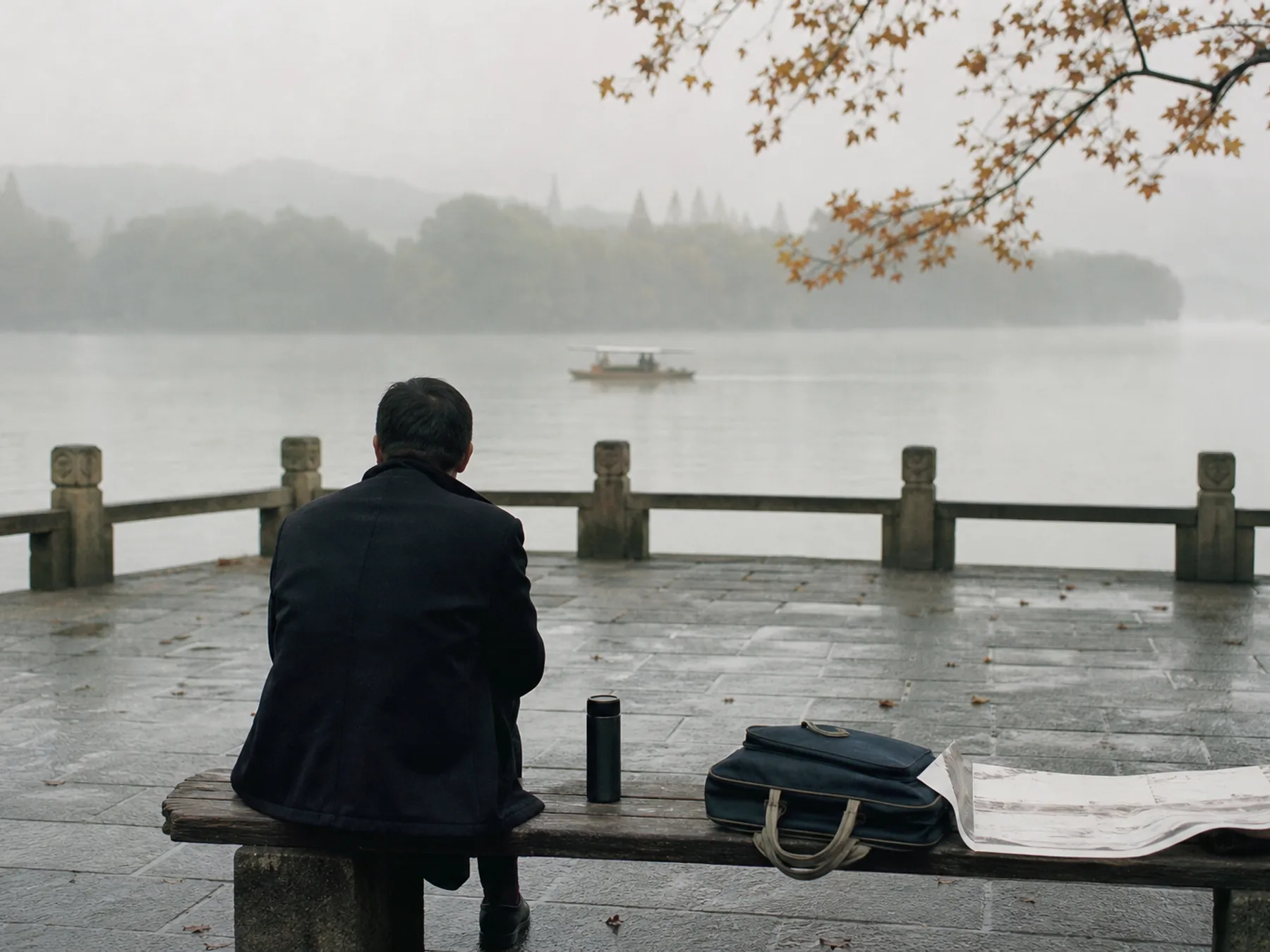
No more than two working blocks per day and one substantive cultural accent preserve group energy.
Plan the season carefully
Cross-check dates with the current holiday calendar and major city events. For rain, heat, or poor visibility, prepare an indoor format of equal substantive value.
Autumn weekends can be busy with domestic travel even when the weather is mild. Book holds early, but keep the programme logic independent of a single weather window.
Quick checklist
- Write one measurable outcome.
- Choose a base with short geography.
- Cross-check dates and forecast.
- Prepare a full indoor scenario.

Need a working plan on this topic for your trip or project? We will start with context and clearly mark what still requires verification.
Discuss your brief