
Yunnan offers strong cultural and natural context, but it punishes itineraries that try to see too much. A reliable incentive is built around one base, careful acclimatization, and relationships with local hosts.
Secret one: one base
Choose an area that matches the group's fitness and interests, and reduce hotel changes. Verify travel times with a local operator: altitude, road works, and seasonal weather change the math.
A single well-chosen base lets guests unpack mentally as well as physically. Constant relocation may look adventurous on a map but often consumes the energy that should go into shared experiences.
信Route depth begins where the urge to collect every landmark ends.
Secret two: a gentle first day
After the flight, keep the programme light: water, an early dinner, and the option to skip activity. Discuss medical questions and altitude risks with qualified specialists for the specific route.
The first evening sets expectations for the whole trip. Groups that sprint into long outdoor blocks on day one often pay for it in attendance and mood for the remainder of the programme.
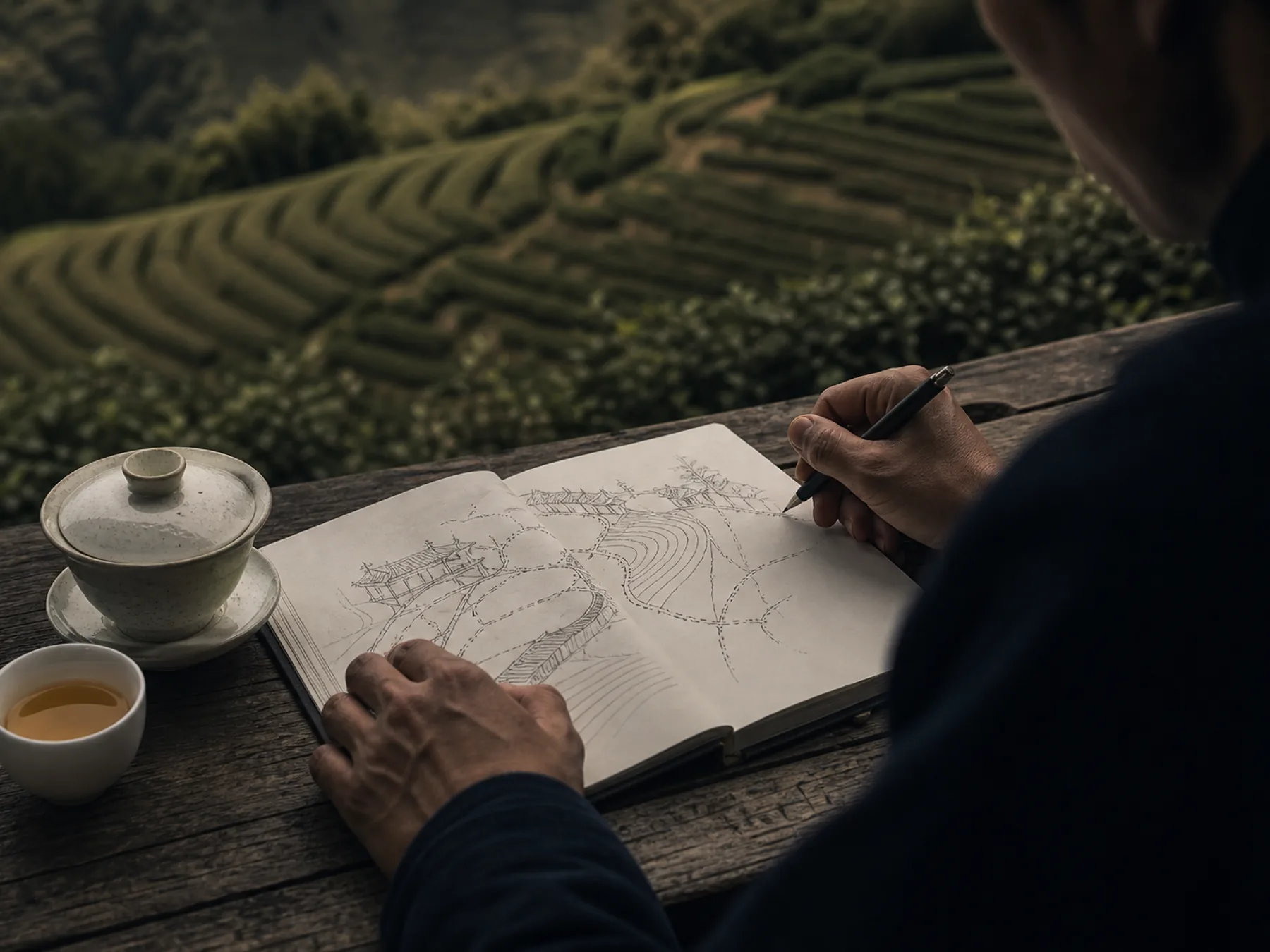
One district explored deeply, one strong host, and one free evening often deliver more than a three-day marathon.
Secrets three and four: context and reserve
Work with a local host, pay craftspeople transparently, and do not promise the group staged 'authenticity.' For every outdoor block, prepare a substantive alternative — not a waiting room.
Build relationships with village hosts and artisans before the group arrives, so interactions feel respectful rather than transactional. A backup plan with equal cultural value protects the programme when weather or road conditions shift.
Quick checklist
- Choose one base and a realistic radius.
- Check altitude, weather, and medical protocol.
- Agree fair terms with local hosts.
- Prepare an equivalent bad-weather plan.

Need a working plan on this topic for your trip or project? We will start with context and clearly mark what still requires verification.
Discuss your brief